
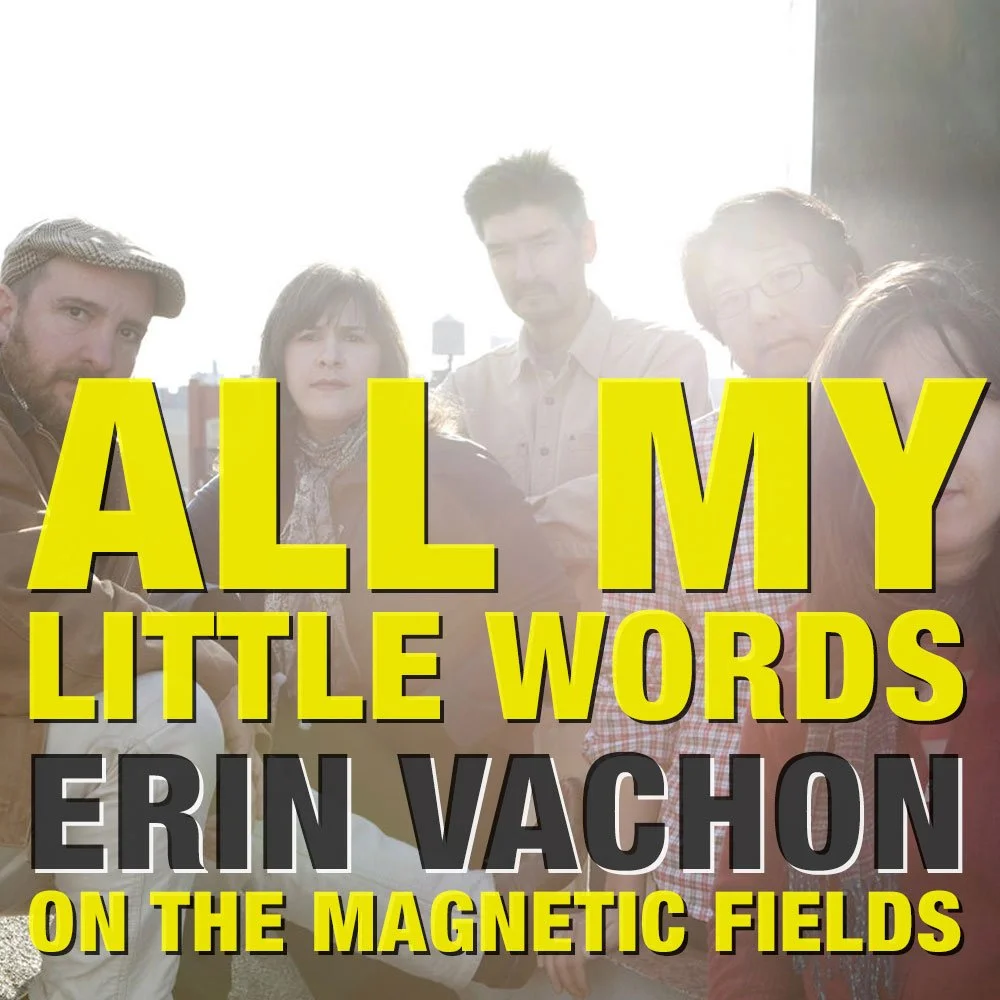
all my little words: erin vachon on the magnetic fields
I. Volume One. Track Three. “All My Little Words.” The Magnetic Fields
After the release of 69 Love Songs, The Magnetic Fields frontman Stephin Merritt said,
“69 Love Songs is not remotely an album about love…It’s an album about
love songs, which are very far away from anything to do with love.”
I’m trying to write about a song I love, and it’s fucking depressing me.
Maybe this is the universe forcing me to eat my words, since I often blather at my students to write about what they love, and in absence of that, what infuriates them. “All My Little Words” off The Magnetic Fields’s 1999 three-volume album 69 Love Songs is one of my all-time favorite songs, but I’m realizing that I have no emotional distance. If I could marry a song, I would marry this one. I would kiss this song all over its stupid face. Make this song breakfast every morning. What do you want me to say? That’s it’s the best song ever? It is. I love it.
I just have no idea how to tell you why. All words just feel so…small.
Stephin Merritt wrote all 69 songs on 69 Love Songs, hopscotching across genres like a mad genius, insisting that the album had everything to do with love songs and little to do with love itself. Merritt plucks the invisible strings that puppet genre into the machinery of feeling, punk rock love and country dive bar love and experimental love. Maybe that’s why every track on the album feels just a little bit sad, because the variations in 69 Love Songs are all we’ve got to contain love at all. The musical alphabet, A to Z. In three volumes, Merritt sums up the language of the human heart. “All My Little Words” tugs particular strings for me, maybe because I’m both a writer and a bit of a masochist. LD Beghtol takes lead vocal, singing Merritt’s trite lyrics about the inability to hold onto their lover, “Not for all the tea in China / Not if I could sing like a bird / Not for all North Carolina / Not for all my little words.” The music swells. Beghtol trills. In the end, Merritt devastates you with the knowledge that words do almost nothing at all.
When I’ve seen The Magnetic Fields in small concert spaces, I’m deeply fond of Merritt’s gentle hangdog temperament. In interviews, he reads like a person too exhausted to crack jokes anymore, but who can’t help pointing out the obvious. Merritt describes the inspiration for “All My Little Words,” in spare words, saying, “I was sitting here thinking about tea when I wrote it. I came up with ‘not for all the tea in China’ and the rest of the song quickly came from there.” I could call bullshit. But does making art have to be so damn hard or lofty? And anyway, I just offered my creative writing students a thin craft lesson about writing trans identity through the metaphor of a jumpsuit, all because I was wearing a jumpsuit. You work with what you’ve got. There’s something painfully beautiful about paying attention to what’s been right in front of you all along. The tea. The jumpsuit. The barest words possible. Merritt’s song isn’t about gripping what’s in front of you, so much as loving with whatever language you have available.
Insta poetry would have us believe that if you let what you love go, it will come back to you. Merritt pushes against platitude, writing, “And I could make you pay and pay / But I could never make you stay.” Apologies, but this butterfly has flown forever. Beghtol swoons a dramatic, hand to forehead, “Now that you’ve made me want to die / You tell me you’re unboyfriendable,” stretching out d-i-i-i-i-i-e like a death rattle. “All My Little Words” is sad jubilation for the goths who will never get over it, who love just a little too hard, until they d-i-i-i-i-i-e. Look, I should say that in 1999, I was the spitting image of Nancy from The Craft. I still wear a lot of black. Then and now, I was deeply dramatic, stretching desire to death. But in pre-cellphone times, we accepted every in-person meeting as an act of baffling trust. I will be there. Will you? Yes, me too. Nowadays we sort of forget that human connection offers no guarantee, even if you can view their social profile. It’s a different sort of sad, but then, maybe it’s supposed to be.
Usually I return to queer people when I’m questioning life, not because we offer an easy answer, but because we know how to alchemize even the most fucked-up situation into something strangely beautiful. Merritt says, “The way I listen to music is, mainly, several hours a day in gay bars. So the vast majority of the music I listen to is the pop music that gay people like to listen to in public.” I’m sitting at my own local bar writing this essay, and Morrissey is playing, and the owner is shouting, “This makes me want to kill myself,” swapping the playlist as fast as a record scratch, so all of us aged goths lined up along the bar laugh, but then pink-bubblegum music comes on, and the woman next to me says, “This is so much worse, because someone, somewhere, is in a shopping mall or at a Bath & Body Works, listening to this shit, and you just know they’re so fucking happy,” and we stare into our pints, sadly. Which is to say, totally content, because we can pluck the invisible strings. Merritt’s sitting at the bar next to us, hangdog singing like a bass-noted lovebird. His advice? If you let your love go, it won’t come back. Let go anyway. Then listen to the next song on the album. Maybe it’s a sad one, but there’s a lot of tracks to go. You might even love them.
II. Volume Two. Track Two. “Love is Like Jazz.”
“With and without wind chimes / with and without wind chimes / with and without wind chimes…”
III. Volume Two. Track Seventeen. “Papa Was a Rodeo.”
In a 2025 interview, Merritt said, “I’m a big believer in the frame.
If you go beyond the frame, you’ve really damaged the artwork.”
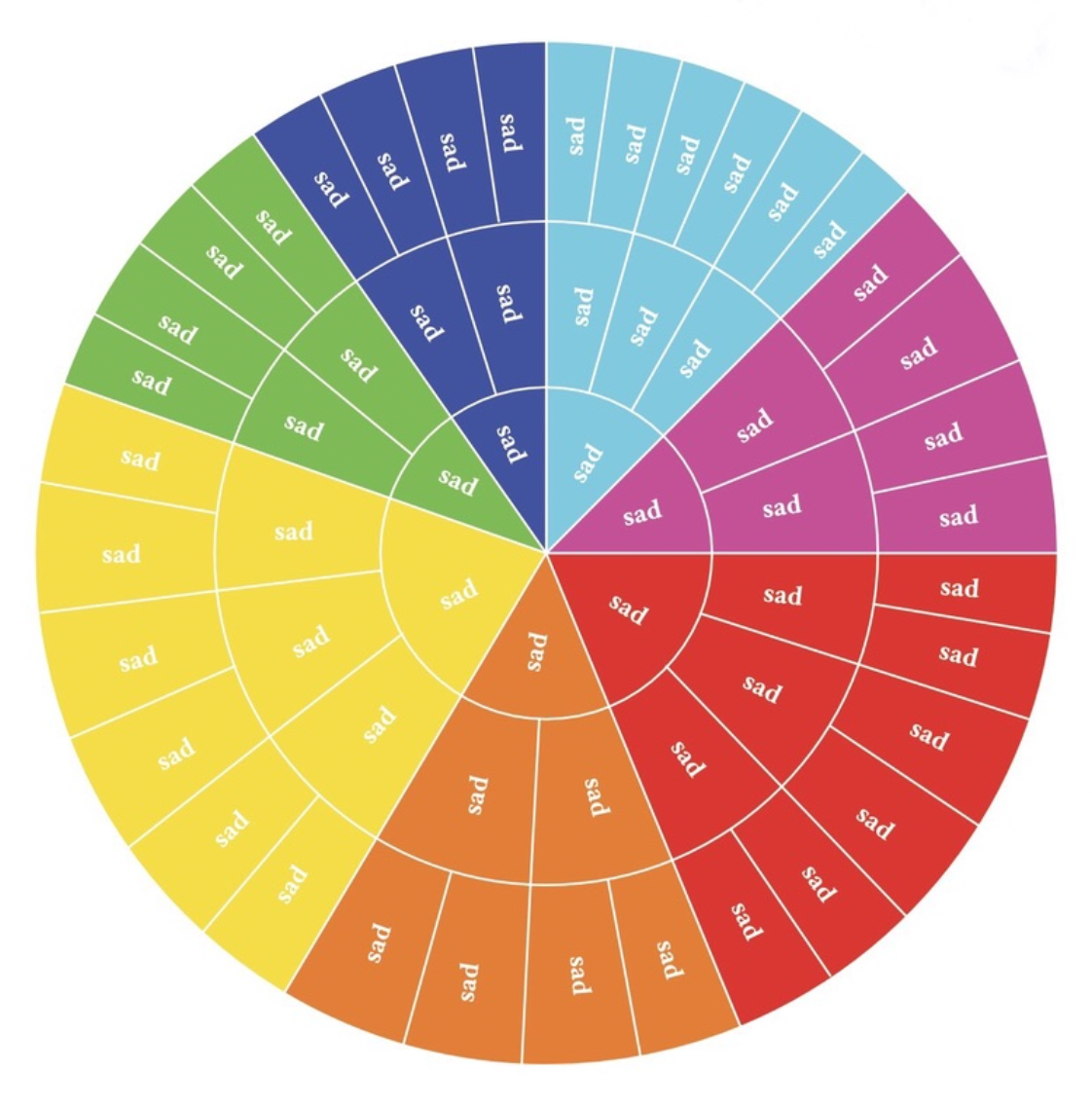
If you frame a subject well enough, you can crop out what you lost. Or you can focus on what you’ve found. In “Papa Was a Rodeo,” Merritt warble-serenades his satellite-cowboy lover after their dive bar meet-cute, “I like your twisted point of view, Mike / I like your questioning eyebrows.” To locate the sadness in “Papa Was a Rodeo” is to recognize the dizzying currents of distance and time that part lovers more often than bring them together, even if they eventually find each other in the end. The melody is sad as fuck, but then Merritt surprises you with a happy ending. Still does the resolution matter, if the middle hurts like hell?
This week I taught my literature students about hybrid authors who combine genres, like essays and visual art smashed together. My students sidestepped into talking about genre-jumping music, arguing that country-rap was a particular abomination. “It’s just bad,” they said. “It could kill genres.” Their concern for the preservation of categories surprised me. “There’s a history to be respected!” they insisted. I clutched my whiteboard pen, circled the little hyphen between country and rap. “So this is your concern?” I asked. “Yes,” they sighed. “Yes.”
I worry about discomfort at strange combinations, but I think this might be human. A love affair is always a hybrid experience, two people joined like the unlikely hyphen between country and rap. The most necessary love is always a shock. When Shirley Simms sings the part of Mike at the end of “Papa Was a Rodeo,” her voice jars. I read an old review of 69 Love Songs which declared her voice on the track to be a heterosexual twist ending. Surprise! Merritt’s cowboy lover Mike was really a woman the whole time! Maybe I insulate myself with too many queer people nowadays, but this take confounded me. I always read Mike as a trans man in early transition, pre-vocal training and pre-hormones. By which I mean, Simms sings as a man at the end, even if some of us are still catching up. All to say, man and woman are just one more way to say frame.
This week I also taught my students Angels in America. They are mostly 18 and 19 years old. They assert that grief is a necessary aspect of love. In a 2023 interview, Merritt said, “I don’t know that I had a sense that there was a lot of time remaining in my career… I totally expected to be killed off by AIDS at an early age.” I want to wrap wings around the young and tell them that grief will never arrive. And maybe it won’t. So why is it so sad when Merritt sings his beautiful bass line affirming a future, “And now it’s 55 years later / We’ve had the romance of the century”? “Papa Was a Rodeo” doesn’t just celebrate love. It celebrates a queer couple that got to grow old together. But this also reckons with the inverse, the historical loss of every dive bar relationship that met grief instead, the amputation of beautiful meetings, lips and hips brushing against each other, year after year, and why every queer person deserves decades more. “Papa Was a Rodeo” feels new within a well-worn country frame–and that’s why it’s so sad. Merritt’s song should be commonplace. But it’s singular. Maybe what I’m saying is, I agree with my students. There’s a history to be respected, a loss to take into account, and yes, this too: I want us all to grow old in fifty-five year romances, however strange they find the beauty of us smashing together.
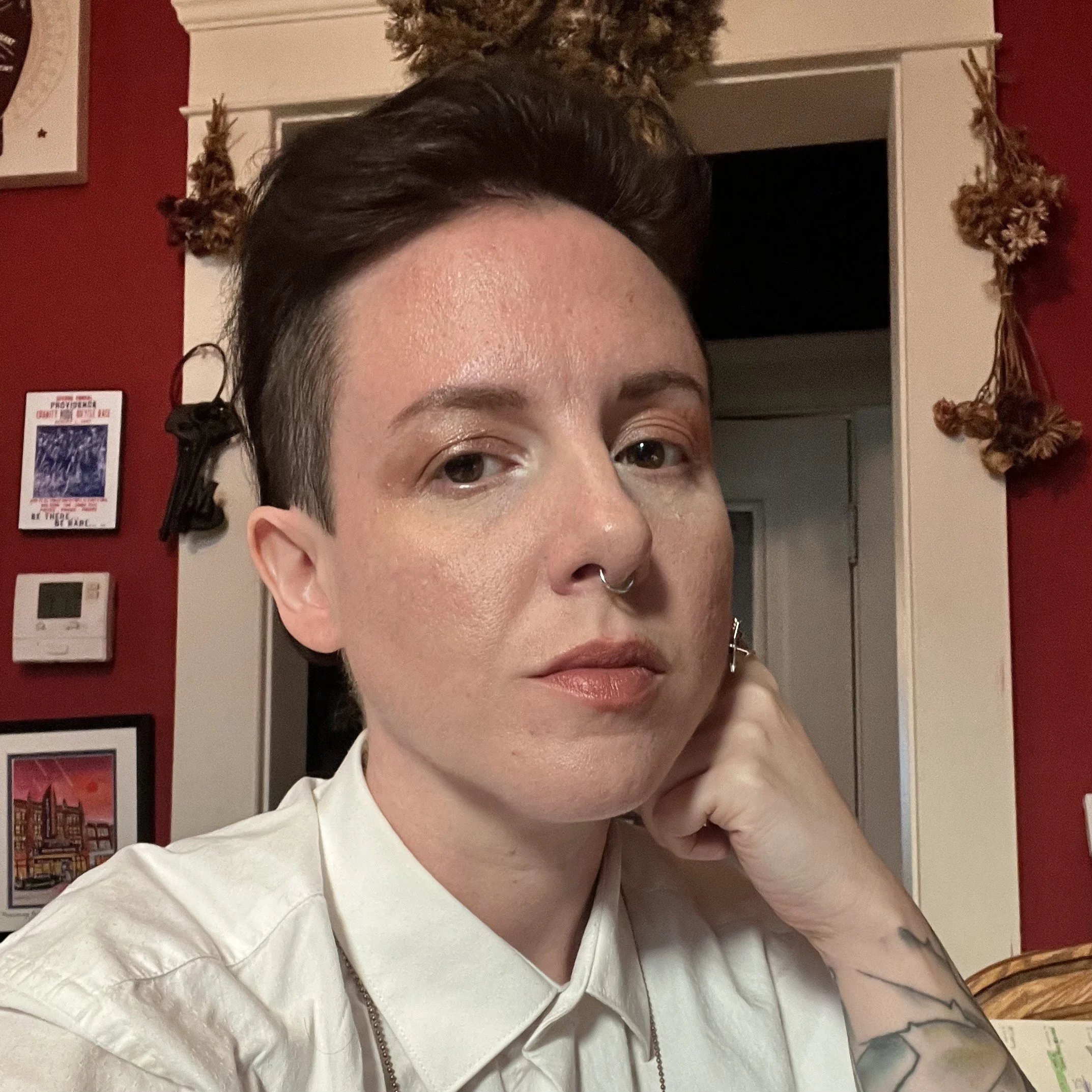
Erin Vachon is the Senior Reviews Editor at SmokeLong Quarterly and the Multigenre + Chapbook Editor for Split/Lip Press. They are on the English Department Adjunct Faculty at Rhode Island College and live outside Providence, Rhode Island.