
sweet 16 game
(5) Bush, “Glycerine”
vs
(8) Blink-182, “Adam’s Song”
Read the essays, listen to the songs, and vote. Winner is the song/essay with the most votes at the end of the game. If there is a tie, we will play a one-hour overtime (and repeat until we have a winner). Polls close @ 9am Arizona time on 3/21/26.
The Depression Playlist: Emma Allmann on “Adam’s Song”
I never thought I’d die alone, although to be fair, my suicidal ideations never made it to a planning phase. The fantasy of a long peaceful rest was always disrupted by the mess I’d leave behind. My room was covered in clothes, dirty mugs, and hadn’t been vacuumed since I’d moved in. Someone would have to deal with that. The guilt would surely follow me into death. My ghost would be haunted. That was no way to rest. This was back when I didn’t cry. When I was in my twenties and doing everything, including depression, for the first time. There’s an angst I identify with the horror of self-determination and the soundtrack to that angst, the depression playlist, always includes “Adam’s Song” by Blink-182. Because yes, I was laughing the loudest and surely no one knew the truth of how I was feeling (people knew). I was a good time (my friend Elise asked me outright if I had depression). No one else had been through this before (I teach college Freshman now; they are all going through this). It was a confusing mix of unbridled, joyful freedom and an incapacitating weight of responsibility and potential consequences. It took me a long time to realize I was depressed because I mostly just felt frozen.
This still hits from time to time. I notice it most when I get invited to two or more events in one evening. About 65% of the time I choose to pour myself some cran-apple juice in a wineglass, put on my long black satin robe, and swan about my house shout-singing Hadestown, Meek, or my depression playlist, depending on what type of isolation I feel like having. Eventually I’ll collapse in front of my tv, turn on Bob’s Burgers or Midsomer Murders, and sooth my brain into silence with the familiar cadence of shows I know by heart. I don’t think this is bad. I firmly believe that one of the benefits of being 34 is that frequently when I say I don’t want to be social, I am correct about that and so I stay home.
In my twenties this freeze applied to my entire life, and I’d never really experienced saying no to anyone. For any reason. It was less FOMO and more compulsion. I wasn’t going with the flow, although I got a little thrill whenever people said that’s how they saw me, I was caught in a river at the bottom of a canyon. Climbing out felt pretty impossible.
I never conquered, rarely came and in reading the lyrics written down I realize this is a play on Vini Vidi Vici, I came, I saw, I conquered. But I respect Blink-182’s propensity for sexual inuendo too much to ignore this one. I’ve long had a fraught relationship with even the idea of dating. As a kid, after I took a class on how to be a babysitter, I got to watch our neighbor’s newborn. Mark and Alysha were not married and were pretty open about the fact that their baby was an accident. They fought all the time and loudly. We would hear them fight, look out the kitchen window and see Mark slam his front door shut, run to his truck, and skid out of their driveway. My mom would say, “You know it is ok to just be friends with someone. It’s good to make a lot of friends.”
And I did. I made so many friends. Friends who I loved dearly and suddenly started acting different around their boyfriend and treating me different because their boyfriend didn’t like me. I never got angry about it. I was confused, sad, and convinced that relationships would likely change a person for the worse. Sure I could date someone, but who would I have to give up? Who would I have to become? Why would I ever let someone else impact me in that way? In high school it always looked like my friends were giving more than they were getting, that’s sometimes still true in adulthood. Even in moments wherein I felt a bit of jealous, wherein I wondered if maybe I was missing out on some sort of connection or fun, I always reminded myself that goal number one was to get the hell out of that small town. The fantasy of my future big city life was enough to sustain me. If I could just leave, then maybe I could start to see myself in a relationship. I could conquer. I could come.
I never thought I’d die alone except for that brief period of time beginning in 2020 when the COVID-19 pandemic had me working from home full time with no options to go see people after work. Between this period of depression and my cute little breakdown in undergrad, I’ve discovered that I can track my own mental health based upon how messy my space is. I’ve begun to see it as Catholic guilt finally working for me. If I’m too messy to die, then I have to clean, and if I’ve got it in me to clean, I don’t want to die anymore. If I think about it for too long I start to feel like a Roomba who sometimes sits at the charging deck for an inappropriate amount of time.
The first two years of the pandemic is a rare black hole of time, space, and memories that nostalgia just can’t seem to tap into. The media I took in is the only thing that touches on sepia toned for me. I got pretty obsessed with the idea that I could turn Dua Lipa’s album Future Nostalgia into a jukebox musical about the pandemic. I got really high while watching Marriage or Mortgage and I still think fondly of losing my absolute mind about how long the camera lingered on a dog shitting in a yard that wasn’t even his. His owners were just touring the house. I remember adding Ashe’s “Moral of the Story” and “Save Myself” to my depression playlist, only to play them over and over on repeat. My upstairs neighbor stomped on my ceiling while I spun in a circle and sang them at the top of my lungs. He was trying to get me to shut up but he was on the beat, so I kept going. The pandemic black hole is also filled with media that belongs further back, but I pulled it through to the future with me. The Goo Goo Dolls, Shania Twain, Alanis Morrisette, 4 Non-Blondes, and, of course, Blink-182 all kept me company. It was a relief, I think, to put myself in the mindset of a college version of me who was so depressed she dropped out but then went back and graduated. Or a high school version of me who was flirting with depression and writing angry screeds about my mom in my journal only to turn the page and write, “If anyone reads this in the future, I want you to know I do not hate my mom. She is just so frustrating sometimes. But I don’t really hate her. For the record.”
I never conquered, rarely came, but then I’ve always been the sort of hippy that felt conquering was for insecure fools who are trying to compensate for some lack or other. Which is how I justified almost never having any confrontation at all. Much of my twenties was spent running away from where I was meant to be, or said I would be, or thought I should be. I committed to the bit for so long I ended up living out of my Chevy Traverse while traveling around the Pacific Northwest. You want to have a conversation with me? Too bad suckers I’m driving to an area that doesn’t even have cell service.
I spent some time in Glacier National Park and headed to Missoula Montana in theory to send off some articles I would get paid pennies for, but really because I was craving a burger. I had largely been sustaining myself on peanut butter and crackers. To this day eating those manically dry little sandwiches makes me feel like I should be in my car with the windows down. I didn’t just want a burger. I needed a burger. For the whole drive I was salivating at the thought of juicy meat patties with the sluttiest cheese you could imagine melted over the top, pickle slices with the subtlest crunch, and classic, low key, perfect buns. I had about $12 in my bank account and I was willing to spend it all. I’m a good Wisconsin girl so when I want a burger I look up nearby breweries.
Turns out, there are different laws about beer and food in different states. I didn’t realize until after I ordered my beer I would not be able to order food at this particular brewery. The bartender took pity on me and poured me some Chex Mix on a napkin. Those cruel dry pretzels could never woo me. I must have looked particularly sad because the bar tender and a regular sat with me and chatted while I tried both to drink my beer fast and not accidentally get very drunk. I got quite drunk. They told me of a food truck that has the best burgers in town and would be parked next to a coffee shop. Not quite walking distance but if I had a bike I could probably make it there. I thanked them for their time and hauled my bike out of the back of my Chevy.
When I arrived at the coffee shop the food truck was not open yet and I sat on the curb and genuinely fought off tears. Some girls who were leaving the coffee shop and waiting for a ride asked me if I was ok. I was not ok. So I just nodded my head silently to keep them a polite distance away from my inevitable nutrient deprived, slightly tipsy, breakdown.
They sat down next to me and assured me that the food truck would be open in 20 minutes. They also told me I had arrived at the perfect time because that evening the town of Missoula was going to be doing their First Friday Art Walk, and on Saturday I could go experience any of their three farmers markets. We got to chatting for so long I fully missed the opening of the food truck. After they left I stood in line and felt better than I had since before Glacier National Park. Not full. I needed that burger. She was sexy. She was perfect, but when she was gone, I was alone again.
I never conquered, rarely came, and honestly that’s fine. I don’t think I’d be as good at getting what I want if I hadn’t run away for a little while. These days while grading, reading, doomscrolling, whenever I’m sitting on my couch, whenever I’m doing what needs to be done or I want to do, I will surprise myself by bursting into to tears. I will be laden with a sadness that I can sometimes pinpoint to loneliness, frustration, or overwhelm. Sometimes I sort of gesture wildly at the world and assume that it’s all seeping into me, worrying and itching at my sadness. Frequently it’s within three days before my period starts, but not exclusively. Sometimes it’s because someone on a Hulu commercial cared deeply about their dog. Whatever it is, the trigger can’t begin to describe the ocean of tears that I fear will spill if I let them, if I don’t stop it up. My face scrunches and I pretend someone else is in the room. I lean my back to reverse the tears.
“Sorry” I say to no one. “Fuck.”
It’s habit to try and stop crying, maybe not healthy but on the scale of unhealthy habits I’m actually ok with that. I used to not cry at all. In my frozen twenties I sat in my disgusting room numb and angsty watching Buffy the Vampire Slayer hoping for sad scenes that pulled the tears out of me. In the early pandemic I listened to Adam’s Song and thought about all the people who wronged poor little high school me. I was aching to feel more human, more normal. Now I cry a little bit, stop myself, and then feel a little silly for stopping myself. So I tell my friends about it.
It was a relief to talk to my friend Liv, who is also in their thirties, and realize that we both have had the same experience. Maybe it’s how hormones work in our thirties, maybe it’s how feelings work in 2026. We take in so much of the world, we do what we can and know for a fact that it’s probably not enough, but it is something and that’s not nothing. We rest, we cry, we repeat. If you don’t make time to cry, it seems the tears will find you.
When I listen to the depression playlist and think about Adam’s Song, I think about loneliness. I think about not understanding my friends in high school, about not knowing the difference between friends, acquaintances, and random people on the street in undergrad, about the bartender and girls in Missoula, and about the clinking pipes in my basement apartment in Chicago. It’s sort of annoying that every story I tell is just about someone, often me, who was alone and then it turns out I need people, actually. I need people a lot. They make me feel more human. They make me feel full. They make me feel so much that it’s exhausting, and it gets to the point where I can’t wait till I get home to pass the time in my room alone.
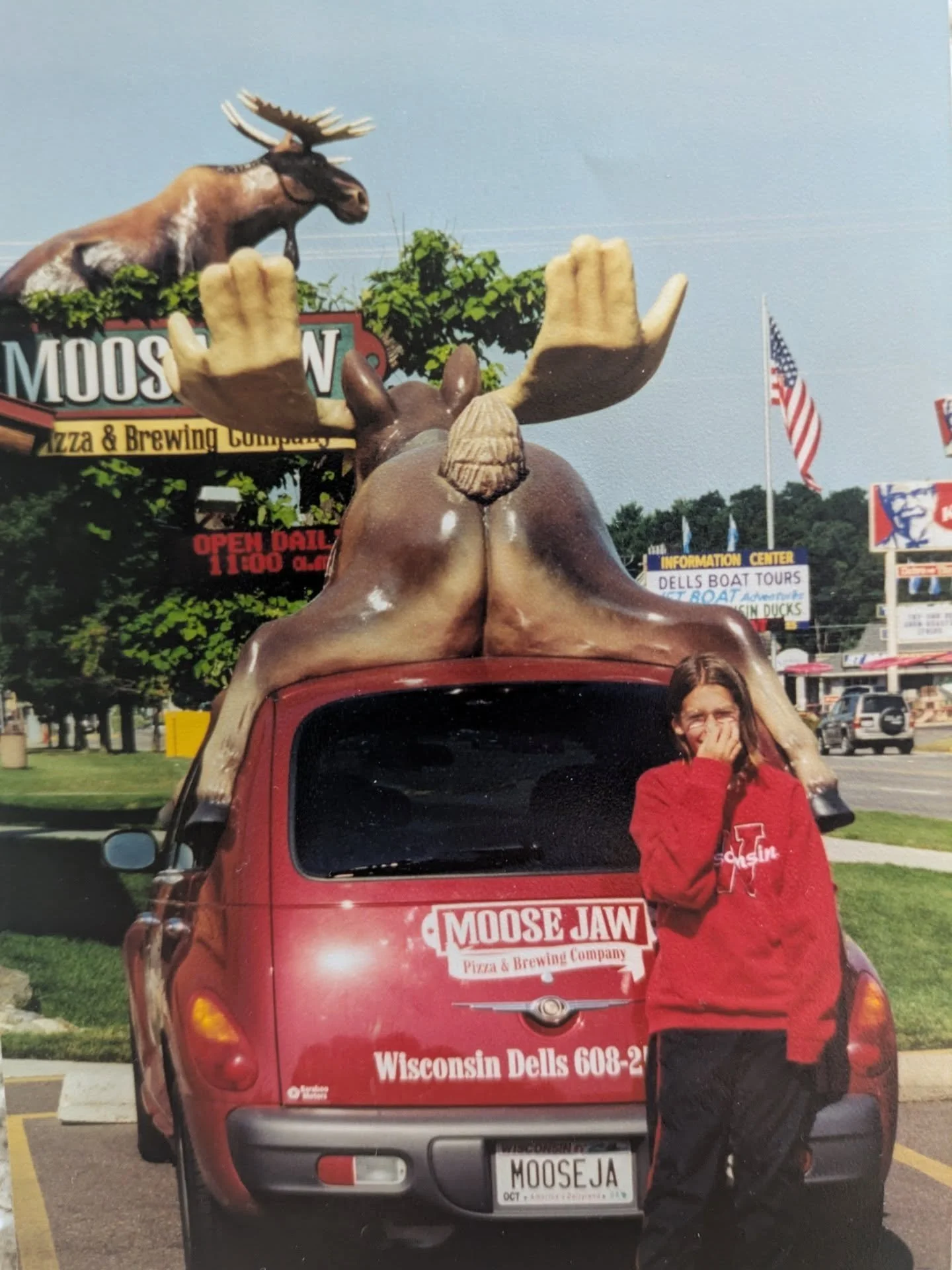
Emma Allmann studied creative writing UW-Madison and is currently pursuing an MFA in creative writing from the University of Alabama - Tuscaloosa. She has had pieces published with Ellipsis, Ink In Thirds, and EcoTheo Review, shortlisted with Smokelong, and has had a play produced for the Marcia Légère Student Play Festival at UW-Madison.
Safer Grunge for Sad and Angry Kids Like You: Jason Thayer on “Glycerine”
“No.” Your mom shakes her head, the decision final.
“Why?” you whine, clutching the Nirvana CD.
“I don’t want you listening to music that’s so—” She pauses, searching for the right word. “So sad.” Lips pressed tightly together, Mom blinks fast, eyelids like windshield wipers in a coastal storm. She is determined not to cry in the Fred Meyer Electronics department as she thinks about the constellation of sad things in your life, the fear of what this music might stoke in you.
Mom doesn’t know a single Nirvana song, but the news still talks about Kurt Cobain and how he fumbled a shotgun into his mouth and pulled the trigger with his toe. Mom also knows that ever since your own dad died of a heart attack, you’ve started screaming out, “I’m going to kill myself!” in the face of life’s smallest injustices. When you can’t find your shoes, when you miss the bus to school, when you die in Super Mario World, that’s it, you are going to kill yourself. As a single parent raising a 10-year-old with precocious suicidal ideations, Mom holds the line on the Nirvana Embargo of 1995.
If Cobain’s caterwaul is a handful of jagged rocks chucked into a wood chipper, Gavin Rossdale’s moan is smooth pea gravel spread across the playground, crunching softly under the feet of kids at recess.
His band, Bush, is a safer version of grunge for sad and angry kids like you. Watching Bush play MTV’s Spring Break ‘96, you are immediately transfixed. The rest of the band disappears into the shadows as Gavin steps forward, strumming the opening chords of “Glycerine.” Night has fallen on Panama City Beach and the crowd sways, flicking lighters, Gavin’s mouth obscured by the shadow of the mic, his moisturized ringlets brushing those perfect cheekbones. And that voice, the way it breaks when he sings, “I’m never alone, I’m alone all the time.”
His good looks are not lost on you, a husky middle schooler who the gym teacher calls Melon Belly. But it’s not like you have a crush on Gavin Rossdale—you don’t want to be with him, you want to be him so desperately you feel an ache in your chest when you watch him onstage, the purple sky opening up, spilling out rain as the chorus kicks in. Even the sky melts when he croons, “Don’t let the days go by.”
When Gavin Rossdale wrote “Glycerine” in the midst of breaking up with his model girlfriend, he could not have anticipated the effect it would have on you, a kid in Seaside, Oregon, sitting crosslegged on the living room floor, curtains drawn against the sunlight, watching MTV Spring Break ‘96, a bowl of chocolate chip mint ice cream melting in your lap.
After that, you search out any and all media you can find about Bush—or, more specifically, anything about their lead singer. You tape pictures of Gavin to your bedroom wall, cut from the SPIN cover story on Bush titled “Don’t Hate Them Because He’s Beautiful.” You take the clipping to the woman who cuts your hair and ask, “Can you make me look like this?” She chuckles a little, says “I’ll see what I can do” before giving you the same blunt, too-high bangs as usual, a cut that does no favors to your big wire glasses, your puffy pubescent face.
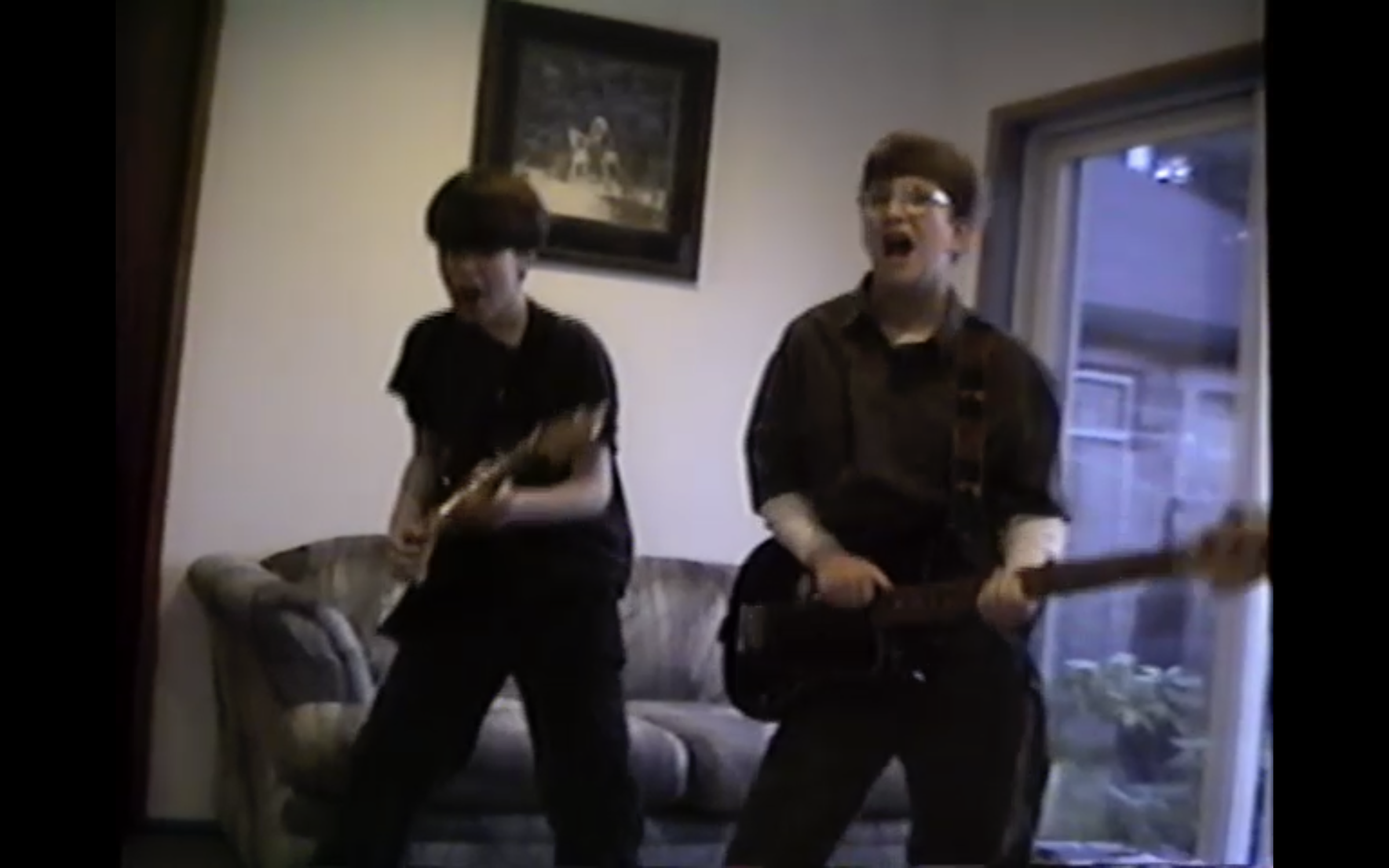
Your best friend, Israel, has the look you want: thick auburn hair cut into a bowl, an upturned nose, a whisper of freckles across perpetually flushed cheeks. He looks natural with his Fender Stratacastor slung across his chest as you both pantomime “Glycerine” while your older sisters film your performance on the VHS camcorder. Israel knows the chorus but you sing every single lyric, strumming hard at the bass guitar your dad had played in his band, Myth, before you were born. On the outside, Israel looks more like Gavin, sure, but on the inside, you are Gavin.
Israel likes Bush, but he can’t listen to them at home. His mom, a born-again Christian, has an embargo of her own: no “worldly” music. Just as Bush becomes a safer version of Nirvana for you, DC Talk is the Jesus Freak alternative for Israel, both your single mothers wary of the power the men singing these songs have in shaping who their sons will become.
“Rossdale’s got a very lazy bunch of existential demons,” quips James Hannaham, alluding to the singer’s privileged upbringing in the SPIN cover story you pore over while listening to Bush’s Sixteen Stone on repeat.
Because he is beautiful and untroubled, that same year Rolling Stone puts a shirtless Gavin on the cover, finger coyly tugging at his bottom lip, inlaid with the question: “Why Won’t Anyone Take Gavin Rossdale Seriously?”
The son of a doctor and a model, Gavin was raised in a wealthy London neighborhood, literal and metaphorical oceans away from you and Israel, who grew up a block from each other in a rusted out tourist town, your fractured families hovering around the poverty line. This is the alchemy of fandom: no matter the distance between us, we find ourselves in the words our idols sing.
By 1997, there’s a lively debate as to who is the better lyricist, Gavin or Kurt Cobain, on bushnet.com, a forum you find listed in the liner notes of Bush’s remix album, Deconstructed. You immediately burn through your weekly ration of dial-up internet, scouring the responses. The consensus of even the biggest Bush fans is that Cobain wrote better lyrics.
“What does ‘I live in a wheel where everyone steals’ actually mean???” bushfan81 posts to the thread, referencing the “Glycerine” lyrics.
In The Creative Act: A Way of Being, Zenned-out music producer Rick Rubin writes that making art requires tapping into “the Source,” a creative energy suspended in the ether. He argues there is resonance in the work we create even if we don’t yet know it. The power of art lies in its malleability, each reader wrapped in their own tapestry of experience that dictates the meaning they unearth, intended or not.
In other words, it doesn’t matter what these lyrics mean to Gavin, it matters what they mean to you.
When you hear him sing about living in a wheel where everyone steals, you think about the cruelty of the world you know. You think about losing your father when you were seven, and in “Glycerine,” you see the value of a loss like this. The guitar’s overdriven hum, quieted by Gavin’s callused fingertips, the aching moan of those cello strings, his strained voice: the act of making something this beautiful out of personal pain is revelatory. Listening to it again and again in your bedroom, you know exactly what you can do with sadness, and soon you begin scrawling your own lyrics into notebooks you keep hidden in the back of your dresser.
Shortly after you begin mapping your adolescent emotions, Israel becomes a skater, JNCO’s enveloping his legs, a tight white t-shirt clinging to his chest, a fake silver chain around his neck. A labret piercing skewers his bottom lip, his shaggy bowl cut now twisted into spikes rising from his scalp like the devil his mother tried to shield him from. He carves his initials in Olde English into his bicep using India ink and his sister’s diabetic syringes. Ditching DC Talk, he favors Nu-metal, which is easier to slip past his mom’s blocade now that he has a Discman.
Around this time, you review Golden State—Bush’s fourth studio album—for your high school newspaper, dismissing it as “recycled grunge.” You are a teenager and your taste has evolved. You are hooked into Modest Mouse and Sleater Kinney and Elliott Smith, the holy trinity of Pacific Northwest indie.
By the end of sophomore year, Israel stops showing up to school. Soon there are rumors that he is dead.
“He’s not dead,” you say.
“I don’t know, man,” a kid in your Biology class shakes his head, “he was really fucked up last time I saw him.”
After school, Israel laughs when you tell him about the rumor. “I’m just high,” he snorts. “Too high to go to school or not high enough.”
Israel runs a pawn shop out of his bedroom, fixing up and selling electronics. The two of you lug an old tube TV that someone traded him out to his backyard. He cues up Limp Bizkit’s “Break Stuff,” cranks it in the headphones he’s slung loose around his neck so you can hear too. The two of you smash the shit out of the TV, hurling rocks at the screen, driving your heels into the set, beating on it with wooden boards you pull from the crumbling fence lining the yard. The TV hisses. Israel finds a ball peen hammer and swings it hard into the guts of the television, keeps swinging, even after his hands are bloody and the song has ended, shards of glass glittering like fallen stars across the dried up lawn.
After high school, you lose touch with Israel. You go to college, you graduate, you move two thousand miles from Oregon, waiting tables at the Fairmont Hotel in downtown Chicago. The restaurant manager has put Gavin Rossdale’s 2008 solo hit, “Love Remains the Same,” on the breakfast playlist, sandwiching the glossy, overproduced song between Melissa Ethridge’s “Come to My Window” and Gotye’s “Somebody That I Used to Know.”
In the chorus, Gavin invites the listener to “drink to all that we have lost.” You oblige, pouring Cava into paper coffee cups every morning with the small and ancient Nigerian man who washes dishes and insists everyone call him “the President.” You affectionately call him Prezie, the two of you ducking down behind racks of steaming glasses in the dishpit, gulping Pinot Gris, Chardonnay, Sauvignon Blanc, then chasing it with swigs of black coffee to cover the smell on your breath.
You don’t know all that Prezie has lost, but earlier that month, the woman you moved to Chicago with told you she was no longer in love with you. You stood over the stove in your kitchen, stuttering in disbelief, stirring crumbles of blue cheese into heavy cream to coat the gnocchi you were making the two of you for dinner.
“Glycerine” takes its title from the temperamental chemical, nitroglycerin—a metaphor for Gavin’s volatile relationship. You have been in unstable relationships before, but this one was not that. Just months earlier, you had signed a lease on an apartment together and filled it with IKEA furniture, staying up late to talk about how many kids you should have once the time came.
Despite what the title suggests, musically, “Glycerine” doesn’t feel combustible. It is the kind of measured song a person writes while musing on the challenges of their strained relationship, penning poetry about the half-life of infatuation and the bittersweet beauty in our fleeting connections, noting on the lyric sheet where the cellos come in, patiently strumming out a chart-topper. It is a song about instability, clearly written by a stable person.
Gavin wrote Bush’s follow up album, Razorblade Suitcase, in the weeks after the relationship finally fell apart, his longtime girlfriend packing her belongings out of the apartment they shared, the final vestiges of their life together gone. Unlike its predecessor, chocked full of radio-ready, post-grunge bangers like “Glycerine,” no song on this ragged breakup album would ever grace a coffee house playlist. Razorblade Suitcase is reality sinking in, Gavin flailing against the dissolution of the life he’s built, not having the energy to get the chords right—not wanting to get the chords right—just fucking angling the guitar at the amp and letting the feedback’s squeal stand in for his own anguish, his own urge to “lean into fire,” to embrace self-destruction, if he could even find the strength.
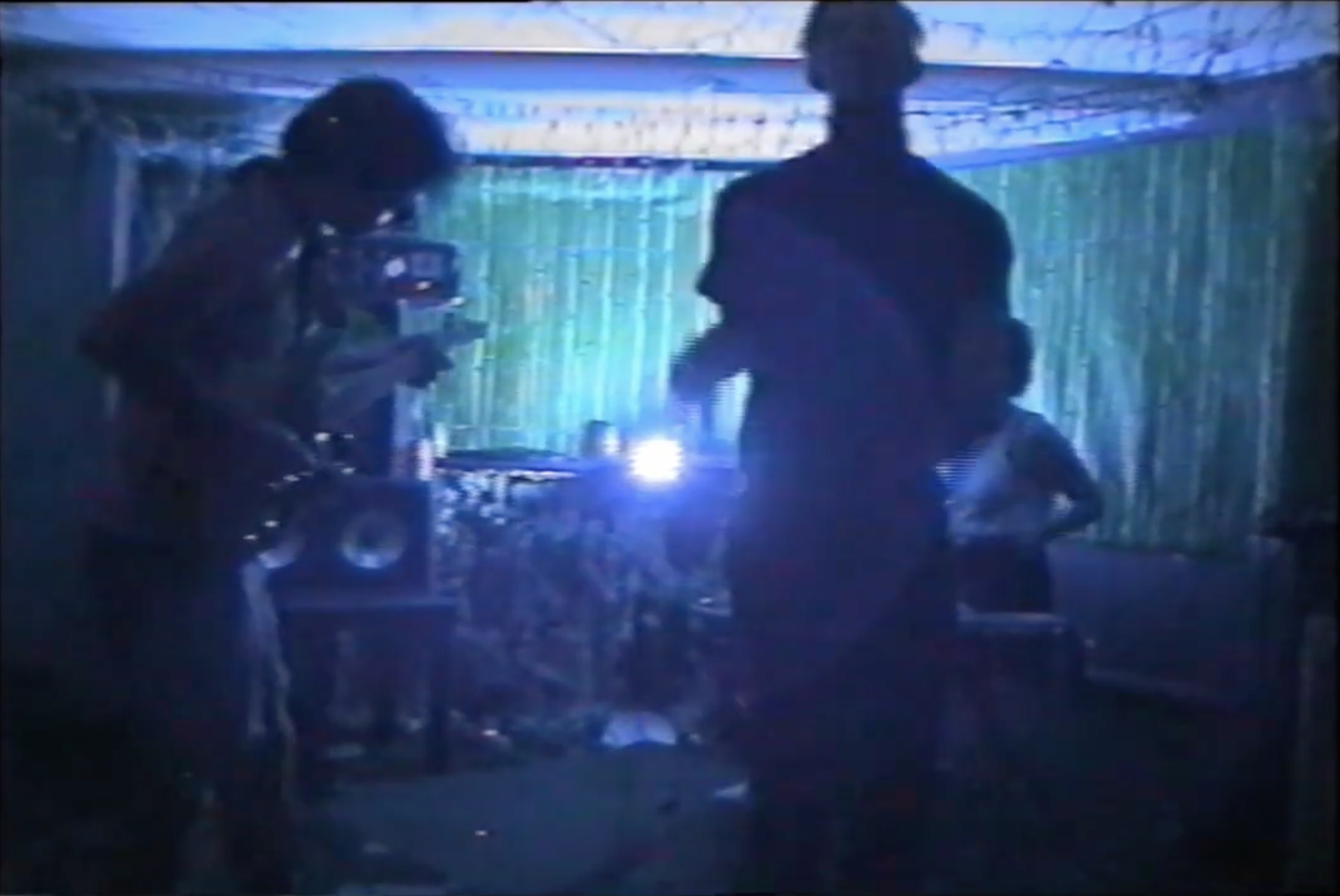
After your breakup, you write sad song after sad song, performing them with your gloomy, proto-goth band, Hotegaia. Jerking your body to the heavy-handed tom beat in Chicago’s dark basements, warehouses, and dive bars, you croon your guts out to acquaintances and strangers with creative haircuts. You close your eyes and go trance-like. On stage, it feels fucking incredible, making yourself this vulnerable, bathed in the blue gel lights you set up for each show, killing every other light in the space so that all definition in your face falls away.
But in a blink, the set is over and you snap back to reality, a twinge of fear radiating through your chest. The drinking helps with that, sanding down the raw anxiety of sharing parts of yourself that the world beyond the stage advises you to conceal.
For all the confidence his good looks should have leant him, Gavin must have also felt this gnawing anxiety—a problem he dealt with by smoking ungodly amounts of what the SPIN article calls, “cheba,” which is, you guess, what they called weed in 1996.
Animated by sparkling wine and sadness, your race toward radical vulnerability culminates with a solo project—you, alone on stage wearing all white, a splotch of fake blood smeared across your chest, pouring cheap champagne over your head as you sing sad-boy hip hop reviewed in the Chicago Reader like this: “The beats are lo-fi, gritty, and sometimes so skeletal they make his caustic words sound even bleaker—I had to take a few breaks in order to make it through the whole album, but it's worth it.”
Of all the songs you’ve written, none are like “Glycerine.” None are the kind that, in the years to come, you will feel comfortable sharing with your partner or your partner’s dad or your own mom or other musically-inclined parents with kids the same age as yours—even when they ask. It’s sad fucking music, but it’s not catchy or beautiful. Which is to say, it’s music most people don’t really want to hear.
Comedian Chris Fleming jokes that we love transgressive art—but only when it’s presented in a palatable package. “Be original,” Fleming says, “but run it by us first.” David Bowie could sell albums as an androgynous alien because his music was pure pop perfection, sung by someone whose cheekbones were only rivaled by Gavin Rossdale’s. “That’s a beautiful, beautiful jock,” scoffs Fleming.
In other words, write your sad song, but make sure it has an infectious chorus, and don’t say anything too fucked up, and if you could look really hot when singing it, that would be great, thanks.
A few years after you sing your last dark song in an equally dark Chicago basement, your sister calls to tell you that Israel has died. She read it on Facebook. No cause of death, just his older sister posting to let the world know.
You’ve tried writing about Israel before. One of the first short stories you ever wrote was about the last time you saw him, just after graduating high school. He was living in a single bedroom apartment with his sister in Seaside, sleeping on a futon in the living room. Nursing a bottle of MD 20/20, he showed you the blood stains on the recliner he was sitting in—evidence of an overdose that landed him in the hospital a couple weeks prior.
“I’m clean now,” he had grinned, taking a long draw off his cigarette. His dull eyes widened as the ember glowed orange, a tiny sunset held precariously between his yellowed fingers.
When you showed this story to the person you were dating at the time, she looked up from the pages, face scrunched in confusion. “How were you even friends with this guy? What could you have possibly had in common?”
“That’s the thing,” you said. “He and I have so much in common.”
Now, almost a decade after his death, you think about the time you and Israel dyed your hair with Kool-Aid on the last day of fifth grade, about the two of you wrestling, your cheeks rouged with adrenaline as your little boy bodies caromed off each other, careening around his bedroom. You think about staging talk shows with your sisters as the hosts—the two of you playing the musical guests, always Bush, adopting British accents in your interviews.
Searching the internet for anything you can find about Israel’s death, you soon get sidetracked looking for that performance of “Glycerine” in the rain. Unfathomably, you stumble upon a different rain-drenched rendition of the song, shot three years after Bush’s MTV Spring Break set. Woodstock ‘99 was massive, a few hundred thousand people held captive by the image on the big screen of Gavin, alone on stage, shirtless, wet locks sticking to those granite cheekbones. Even watching it now, you feel a familiar longing to be Gavin Rossdale up there, an ache at the canyon between you and him. You feel a charged anxiety just at the thought of how vulnerable you’ve made yourself over the years, singing words into a microphone that could never possibly resonate like his—a fear that peaks when you think about how you need to push past this insecurity in order to share parts of yourself with the people in your own life.
“I’m never alone, I’m alone all the time,” Gavin sings and the meaning of this contradiction finally clicks into place.
Your counselor, Ian, says your anxiety comes from a desire to connect with others and the fear of fumbling that connection. Ian says to feel this emotion—to embrace the anxiety and what it represents instead of trying to drown it out. Because craving connection with others, chasing it, is how we find communion; it’s how we survive our sadness.
Every time you tried to write about Israel, you kept circling around everything you and he had in common, but in the end, it’s what you didn’t that matters most.
At 10 years old, when you watched Gavin Rossdale play “Glycerine,” the downpour tracing his face, his voice breaking on the refrain, you longed to do what he did—to make loss worth its weight in your life, to use it as a bridge to others’ grief, to write a song that people felt so deeply they belted it out into the rain. Unmoored by sadness, this longing became your North Star, guiding you toward the shoreline and the ones who waved you down, welcomed you home.
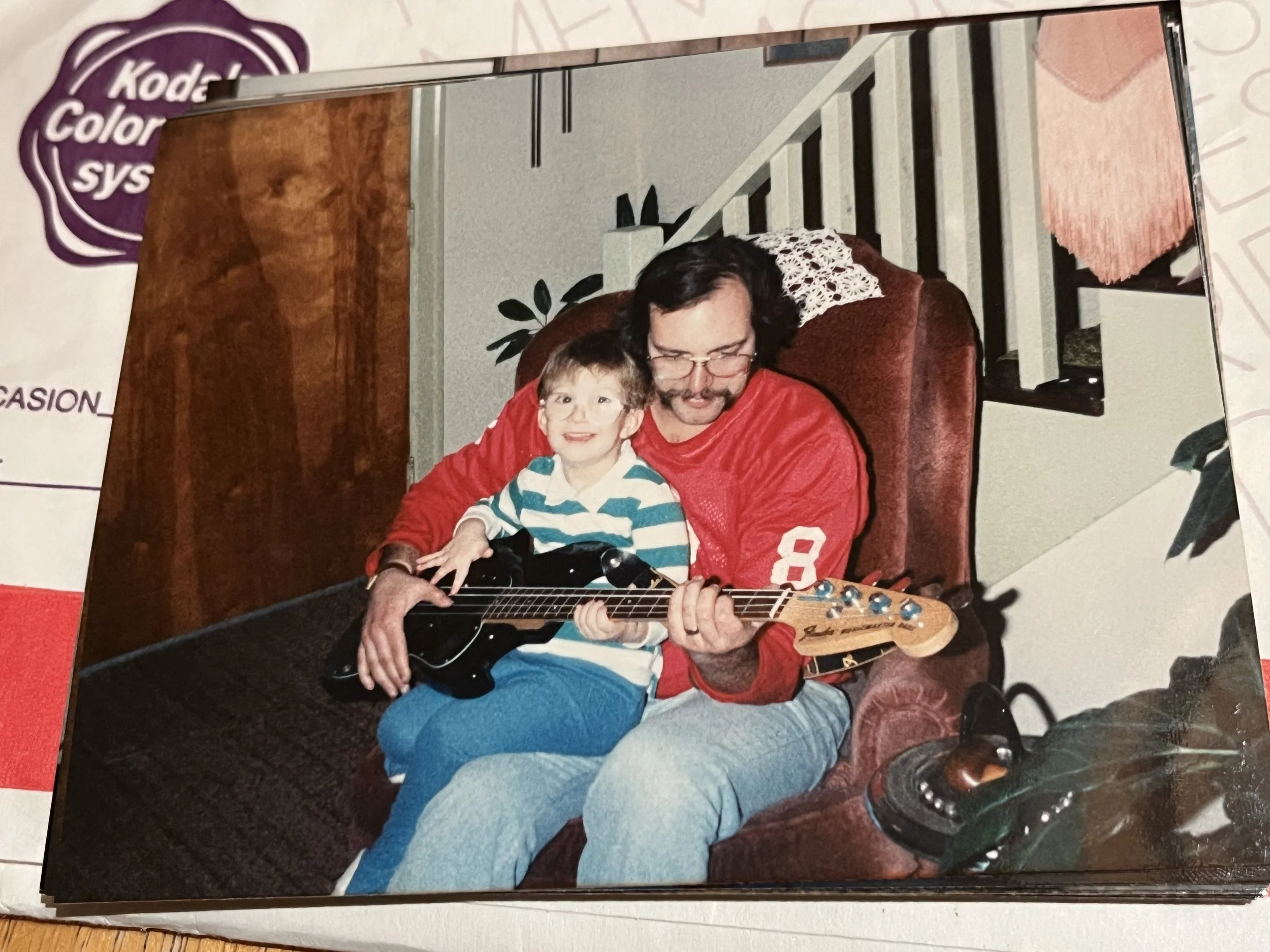
Jason Thayer is the Editor-in-Chief of Complete Sentence. His writing has appeared in The Rumpus, HAD, and Fourth Genre, among others. He is working on a memoir and a new Hotegaia album, both works exploring how early trauma steers our lives.