
second round game
(5) Bush, “Glycerine”
slid by
(4) Paula Cole, “Where Have All the Cowboys Gone”
148-109
and will play in the sweet 16
Read the essays, listen to the songs, and vote. Winner is the song/essay with the most votes at the end of the game. If there is a tie, we will play a one-hour overtime (and repeat until we have a winner). Polls close @ 9am Arizona time on 3/13/26.
Die, Heteronormativity, Die! Erin Dorney on Paula Cole’s “Where Have All The Cowboys Gone”
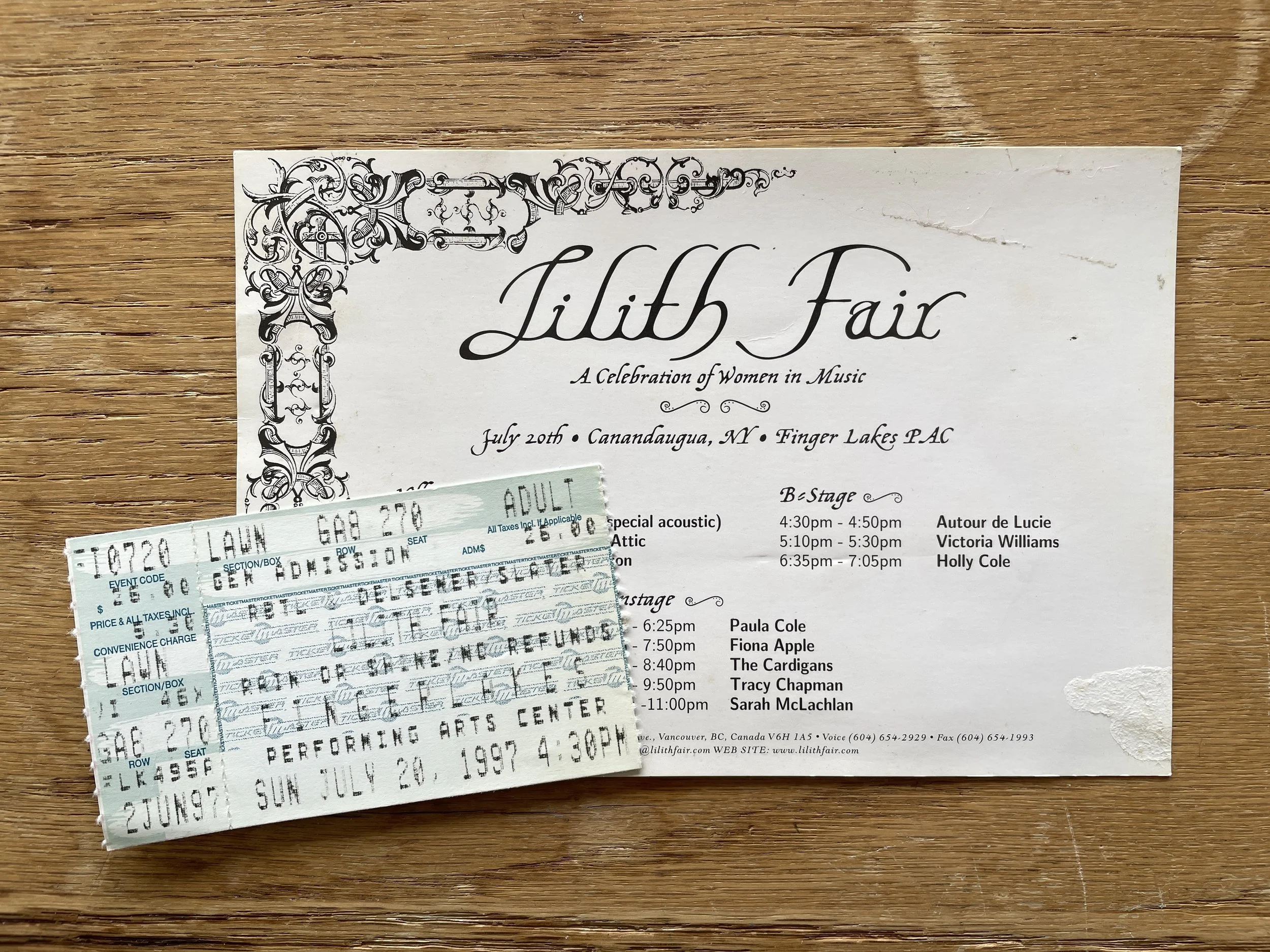
The year I turned 13, my mom bought me my first concert ticket. $52 gave us access to the lawn of the Finger Lakes Performing Arts Center for Lilith Fair, a celebration of women in music. Featured on the Mainstage in 1997: Sarah McLachlan, Tracy Chapman, The Cardigans, Fiona Apple, Paula Cole. One of my most vivid memories from that night is how scandalized I felt seeing a crowd of women toss and poke inflated condoms around like balloons. Looking back, my embarrassment was a sign.
A year earlier, Paula Dorothy Cole, an American singer-songwriter from Rockport, Massachusetts, had released her second studio album. The Fire was entirely self-produced, recorded over a two-week period, and featured a number of standout songs that helped Cole clinch the Grammy for Best New Artist in 1998:
The song "Feelin' Love" was featured on the soundtrack to the 1998 film City of Angels (a hell of a soundtrack that also contains “Iris” by the Goo Goo Dolls, being written about by Moira McAvoy for this competition, as well as “Uninvited” by Alanis Morrissette, being covered by Lela Scott MacNeil).
Cole’s “I Don't Want to Wait" peaked at number 11 on the Billboard Hot 100 and became the theme song for WB teen drama series Dawson's Creek.
And the triple-Grammy nominated "Where Have All the Cowboys Gone?" peaked at number eight on the Billboard Hot 100 and number four on the Adult Top 40.
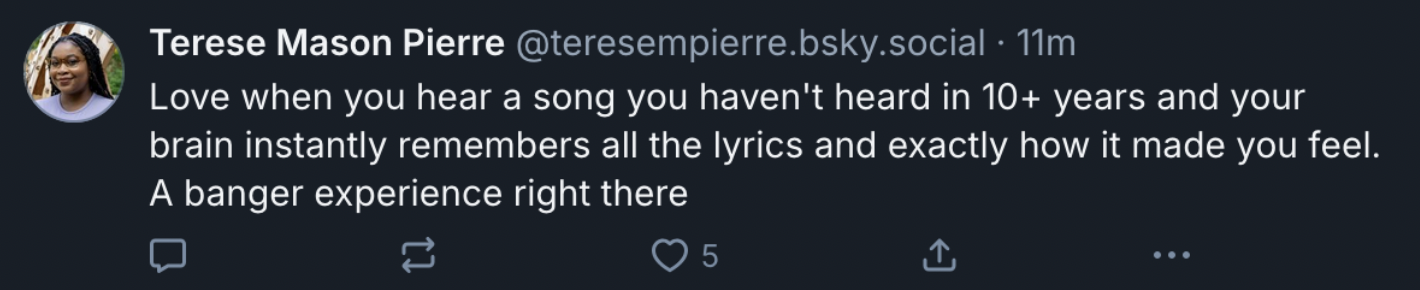
By now, this is where you’re probably at:
*
Over the course of 4 minutes and 23 seconds, Cole’s “Where Have All the Cowboys Gone?” brings listeners in on a little secret: The speaker is not well. She is not thriving. She has, in fact, been let down.
Together, we move through various relationship stages—infatuation, disillusionment, and finally, despair (via literal wailing). Each verse leans heavily on stereotypical gender roles, with the speaker doing the laundry, raising the children, and washing the dishes, while he pays all the bills and goes out to have a beer. Elsewhere she fixes him something to eat while he relaxes and watches TV. One night she wears a new dress but he don’t even notice meeeeeeeeeee.
And each chorus is a lament, as the narrator questions the loss of her idyllic dream:
Where is my John Wayne?
Where is my prairie song?
Where is my happy ending?
Where have all the cowboys gone?
Where is my Marlboro Man?
Where is his shiny gun?
Where is my lonely ranger?
Where have all the cowboys gone?
On humble offer, my personal list of favorite mondegreens:
Where is my prairie dog?
Where is my hairy son?
Where is my cherry bong?
Where is my bury wrong?
Where is my fairy thong?
Where is my merry gun?
Where is my airy ton?
Where is my sherry spun?
Where is my very pun?
Where is my dairy nun?
Where is my wary one?
Where is my scary bun?
Misheard lyrics aside, the song is about having been sold an image of what your life with a man will be like, and then coming to the realization that it’s actually a pile of crap. Hello heteronormativity, my old friend.
*
Heteronormativity is baked into American culture. Our standard mode of operation is the society-wide assumption that places heterosexuality as the norm: the gender binary and all of the stereotypes that go with it (marriage, sex, clothing, household chores, childrearing, emotional labor—the list goes on and on).
If you do not operate within the bounds of heteronormativity, you are othered—suspicious, a threat. Simultaneously, if you appear hetero and attempt to use agency to situate your identity outside of that norm in an empowered way—well, prove it. As a bisexual cis woman married to a cis man, ask me how I know. If you’ve read this far, if you’ve got some kind of interest in breaking out of the hetero-norm, you’ve likely heard this invalidating bullshit: It’s just a phase. You’re doing it for attention. You just want to have sex all the time. How many xyz have you slept with? Pick a side.
As described by Lauren Berlant and Michael Warner in their essay Sex in Public:
Heteronormativity is more than ideology, or prejudice, or phobia against gays and lesbians; it is produced in almost every aspect of the forms and arrangements of social life: nationality, the state, and the law; commerce; medicine; and education; as well as in the conventions and affects of narrativity, romance, and other protected spaces of culture.
Baked. In.
*
Things that interest me, heteronormatively, about Paula Cole’s “Where Have All The Cowboys Gone”:
Pay attention to what lyrics repeat in the song, and ask yourself why. Cole could have come up with other things for the man to do (the gender stereotype platter is full!) but instead she chooses to say “if you pay all the bills” twice. This song is about economics, and so is heteronormativity. In our patriarchal society, it behooves men to uphold the norms so that they can continue to consolidate power—financially, socially, generationally, institutionally.
We learn so much about him, and nothing about her. By the end of the song, listeners know what kind of car he drives (‘56 Chevy); what beverages he likes to drink (lemonade, beer); where he works (Tennessee); what his job is (farmer); and at least one of his hobbies (going to the bar). That’s like, a whole dating profile. On the flip side, the narrator only exists in contrast to him—cooking (for him), cleaning (for him), childrearing (for him). Erasure! This devaluation of women is another hallmark of heteronormativity, creating an expectation of unpaid, invisible labor, reinforcing the hetero-hierarchy, and limiting women’s autonomy.
I love love love how Cole’s linguistic affect reflects the dismantling of her narrator’s illusion. The first time she sings “if you pay all the bills” (:40), her voice is as sweet as can be, fluttering with a tiny bit of shimmery tremolo. Very demure, very mindful. The second time (1:25), Cole’s voice is still calm, but slightly less. At 1:55, her voice is starting to sound whiney, complaining that he hasn’t even noticed her new dress, with a little bit of a stutter (“but you don’t, but you don’t even notice me”). And by the time she gets to “while you go have a beer” at 1:36, we can hear an aggressive, visceral snarl in her voice. These subtle changes in inflection are a nod to gendered communication stereotypes. Women’s perceived “bitchiness,” expressing their (justified) rage, the expectation to communicate indirectly with honeyed words, to speak only when spoken to—all tools of heteronormativity.
There is no conclusion to this song. Alternatively, the song’s conclusion consists of seven rounds of yippee-yi yippee-ya’s followed by 33 seconds of a woman’s distorted wailing. When I was attempting a 100-listen log of this song (FAIL), it came on at high volume when I was in the shower. I’m telling you—there’s nothing freakier than the sounds happening at the end of this song. Turn up the volume, press your earbuds in hard, and tell me I’m wrong. It’s unsettling.
Is this what heteronormativity feels like—a never-ending, wavering wail? The fledgling affect theorist in me screams yes. The lived experience of myself and my many raised-as-female friends screams yes. It brings to mind the wailing women—expressing deep grief, lamenting profound loss, trained in the ritual of public witness. In the last full minute of her song, Cole is interceding—not in a Biblical sense, but she is issuing a warning: People, do not fall for this shit.
In the song’s radio edit, they cut Cole’s wailing out entirely.
*
“Where Have All The Cowboys Gone” wasn’t on the provided list of songs for March Sadness. My number came up late in the lottery and I couldn’t get over the fact that “Iris” was already taken. So, I proposed three songs: Cole’s “Cowboys” (planning some kind of queer take); Pearl Jam’s “Better Man” (planning to write about a bad ex who loved them); and Meat Loaf’s “I’d Do Anything for Love (But I Won’t Do That)” (planning to write about pissing). Upon reflection, all three would have addressed heteronormativity—just one example of its profound impact on my life.
But, is this song sad? The question came up in a car full of writers, as we were driving towards Buffalo, NY. “Well if it’s not sad, what is it?” one of them asked. We couldn’t think of a single alternative.
“Cowboys” is undoubtedly Sad. It’s a song about expectations and promises, and if you were raised as a woman in the 90s and early aughts, like me, you were fed those heteronormative promises and expectations hook, line, and sinker. Straightness was not only assumed as the baseline but enforced, if only through showing us no options for another way.
In 1997, all of my teachers were women: Tracy, Martha, Debbie, Nancy, Maria, Carol, Gail, Lucinda. From my 7th grade report card: Erin is doing average work (junior high band & math); Erin shows excellent effort (life science & chorus); Your daughter uses class time effectively (history).
In Wellness Skills I was doing commendable work, was working conscientiously, was a pleasure to have in class. But in Wellness Skills, a Frankenstein-ian conglomeration of Home Ec, Sex Ed, and Adulting 101, we weren’t learning shit, beyond being molded into perfect little hetero women. We learned to bake a cake. We learned to sew a button back onto a man’s shirt. The only gay thing I remember learning about was AIDS, under the guise of STD week. Scare tactics. Othered. Erasure. Flash forward to college, where an actual assignment in a class called Marriage and Sexuality was to create a list of qualities I sought in my future husband. Help, I’ve been heteronormatized!
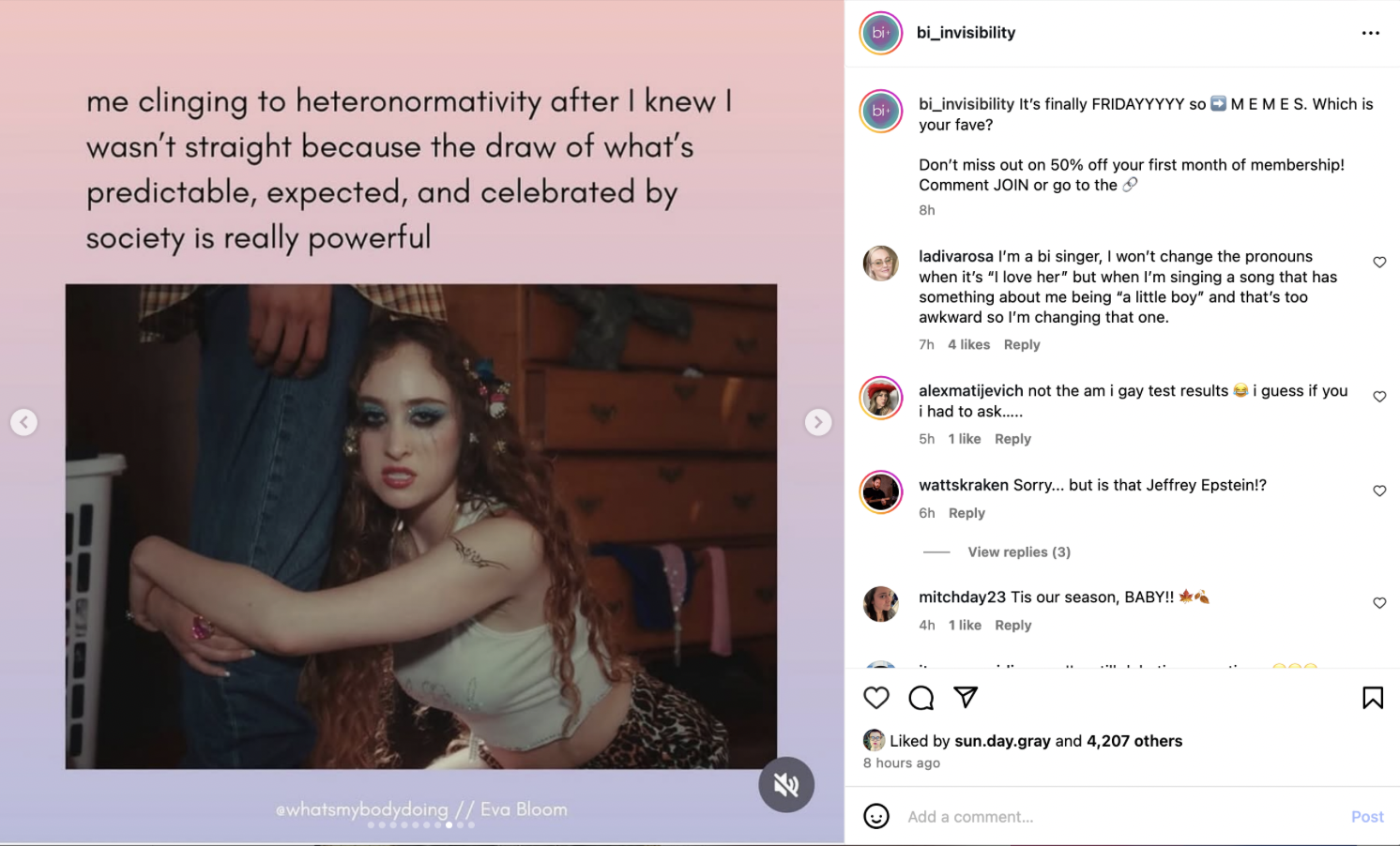
Like writer R.O. Kwon, who came out as bisexual in 2018, until I left my hometown, I didn’t know anyone who was openly queer. Kwon’s viral tweet, her coming out while being married to a man, opened the door for me. It’s when I finally started to realize that my life can be expansive, and does not have to follow the script society has pushed me towards. That I can be and rather than or.
Here’s sad for you: When Cole’s “Cowboys” was released in the 90s, it was picked up by conservative radio host Rush Limbaugh. He played it frequently on his show, mistaking it as a song about a woman literally yearning for a macho, cowboy hero to come rescue her. A hetero ode. It must be so galling for Cole to think about—did her biggest hit become her biggest hit because our heteronormative society reflected back what it wanted to see, while missing the point entirely?
Those of us finally emerging in midlife are not alone. In 2022, 26 years after the release of “Cowboys,” Paula Cole came out as bisexual herself. She credited the move to her daughter and her daughter’s generation—their fluidity and acceptance: “I’ve been very shy about it. I’m an introvert, and also, it’s a nebulous place to be for us Gen-X’ers. I’m 54 and there was just no place [to be open about it].” Cole remembers seeing people yell at bisexual women to “make up your mind” at a Pride Parade in the early ‘90s: “I felt like, ‘O.K. I don’t know how to be, I don’t know what I am’…and years passed.”
That nebulous place? Heteronormativity. At the heart of it, “Cowboys” is a sorrowful cautionary tale, written by a queer elder. I think Paula Cole (and her narrator) would support this message: Kill the heteronormie in your head.
Thank you to Tyler Barton, Kristen Felicetti, Neil Richard Grayson, and Erica Stone for helping me get myself ready in the ‘56 Chevy of the mind.

Erin Dorney is a poet and artist based in Western New York. She is the author of Yes I Am Human I Know You Were Wondering (Autofocus) and I Am Not Famous Anymore: Poems After Shia LaBeouf (Mason Jar Press). She is the managing editor at Sarabande Books and covers zines for Zona Motel.
Safer Grunge for Sad and Angry Kids Like You: Jason Thayer on “Glycerine”
“No.” Your mom shakes her head, the decision final.
“Why?” you whine, clutching the Nirvana CD.
“I don’t want you listening to music that’s so—” She pauses, searching for the right word. “So sad.” Lips pressed tightly together, Mom blinks fast, eyelids like windshield wipers in a coastal storm. She is determined not to cry in the Fred Meyer Electronics department as she thinks about the constellation of sad things in your life, the fear of what this music might stoke in you.
Mom doesn’t know a single Nirvana song, but the news still talks about Kurt Cobain and how he fumbled a shotgun into his mouth and pulled the trigger with his toe. Mom also knows that ever since your own dad died of a heart attack, you’ve started screaming out, “I’m going to kill myself!” in the face of life’s smallest injustices. When you can’t find your shoes, when you miss the bus to school, when you die in Super Mario World, that’s it, you are going to kill yourself. As a single parent raising a 10-year-old with precocious suicidal ideations, Mom holds the line on the Nirvana Embargo of 1995.
If Cobain’s caterwaul is a handful of jagged rocks chucked into a wood chipper, Gavin Rossdale’s moan is smooth pea gravel spread across the playground, crunching softly under the feet of kids at recess.
His band, Bush, is a safer version of grunge for sad and angry kids like you. Watching Bush play MTV’s Spring Break ‘96, you are immediately transfixed. The rest of the band disappears into the shadows as Gavin steps forward, strumming the opening chords of “Glycerine.” Night has fallen on Panama City Beach and the crowd sways, flicking lighters, Gavin’s mouth obscured by the shadow of the mic, his moisturized ringlets brushing those perfect cheekbones. And that voice, the way it breaks when he sings, “I’m never alone, I’m alone all the time.”
His good looks are not lost on you, a husky middle schooler who the gym teacher calls Melon Belly. But it’s not like you have a crush on Gavin Rossdale—you don’t want to be with him, you want to be him so desperately you feel an ache in your chest when you watch him onstage, the purple sky opening up, spilling out rain as the chorus kicks in. Even the sky melts when he croons, “Don’t let the days go by.”
When Gavin Rossdale wrote “Glycerine” in the midst of breaking up with his model girlfriend, he could not have anticipated the effect it would have on you, a kid in Seaside, Oregon, sitting crosslegged on the living room floor, curtains drawn against the sunlight, watching MTV Spring Break ‘96, a bowl of chocolate chip mint ice cream melting in your lap.
After that, you search out any and all media you can find about Bush—or, more specifically, anything about their lead singer. You tape pictures of Gavin to your bedroom wall, cut from the SPIN cover story on Bush titled “Don’t Hate Them Because He’s Beautiful.” You take the clipping to the woman who cuts your hair and ask, “Can you make me look like this?” She chuckles a little, says “I’ll see what I can do” before giving you the same blunt, too-high bangs as usual, a cut that does no favors to your big wire glasses, your puffy pubescent face.
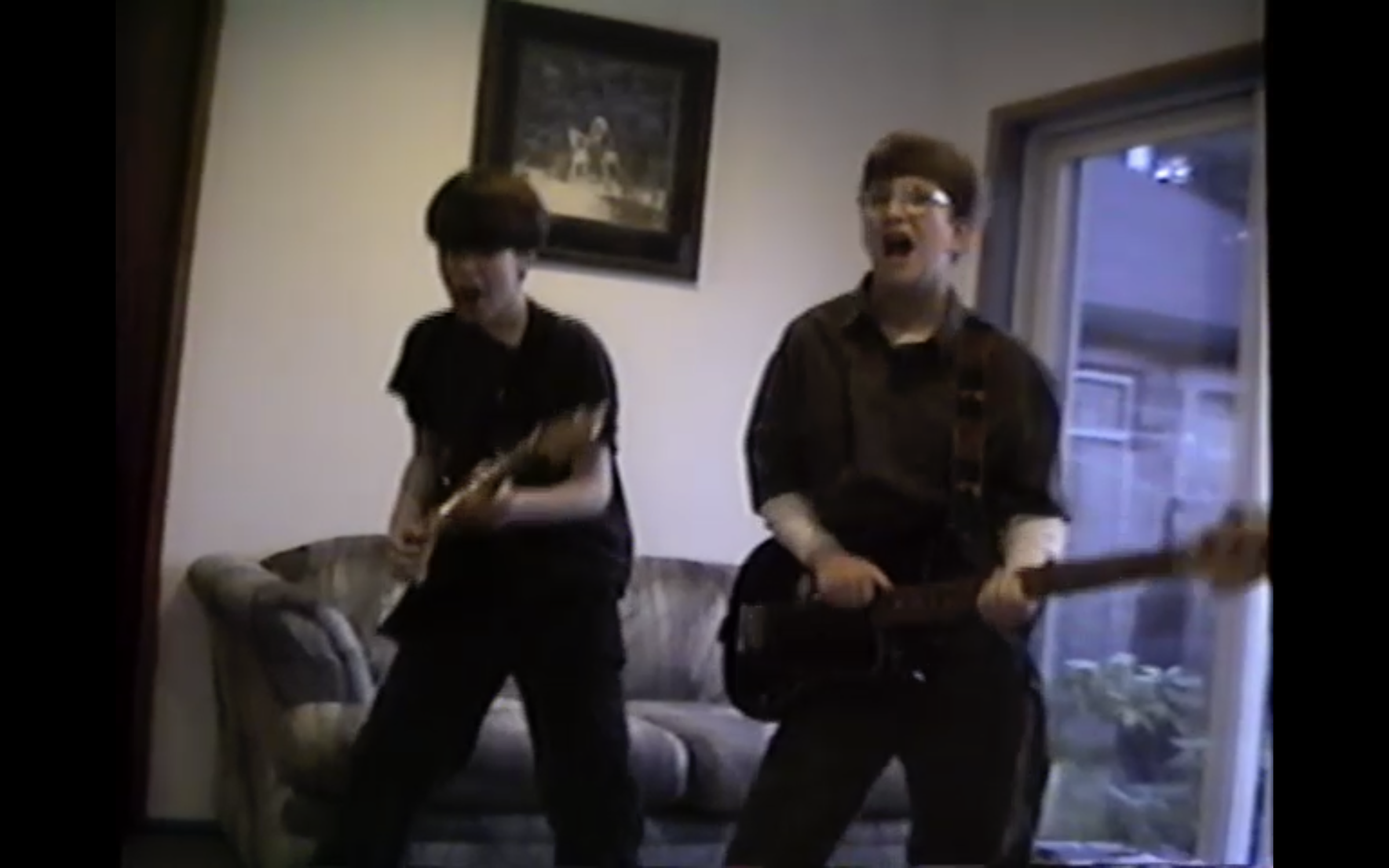
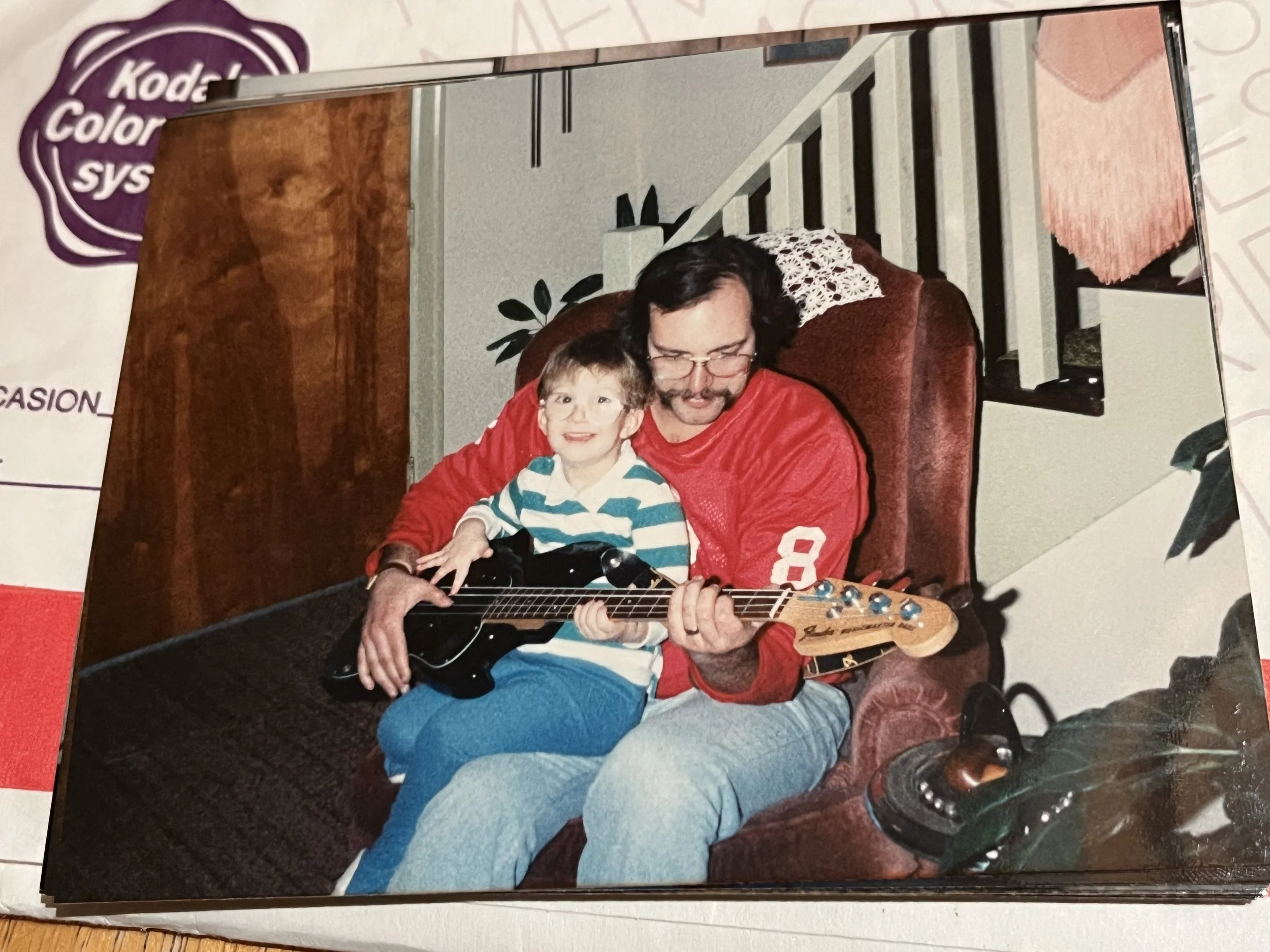
Your best friend, Israel, has the look you want: thick auburn hair cut into a bowl, an upturned nose, a whisper of freckles across perpetually flushed cheeks. He looks natural with his Fender Stratacastor slung across his chest as you both pantomime “Glycerine” while your older sisters film your performance on the VHS camcorder. Israel knows the chorus but you sing every single lyric, strumming hard at the bass guitar your dad had played in his band, Myth, before you were born. On the outside, Israel looks more like Gavin, sure, but on the inside, you are Gavin.
Israel likes Bush, but he can’t listen to them at home. His mom, a born-again Christian, has an embargo of her own: no “worldly” music. Just as Bush becomes a safer version of Nirvana for you, DC Talk is the Jesus Freak alternative for Israel, both your single mothers wary of the power the men singing these songs have in shaping who their sons will become.
“Rossdale’s got a very lazy bunch of existential demons,” quips James Hannaham, alluding to the singer’s privileged upbringing in the SPIN cover story you pore over while listening to Bush’s Sixteen Stone on repeat.
Because he is beautiful and untroubled, that same year Rolling Stone puts a shirtless Gavin on the cover, finger coyly tugging at his bottom lip, inlaid with the question: “Why Won’t Anyone Take Gavin Rossdale Seriously?”
The son of a doctor and a model, Gavin was raised in a wealthy London neighborhood, literal and metaphorical oceans away from you and Israel, who grew up a block from each other in a rusted out tourist town, your fractured families hovering around the poverty line. This is the alchemy of fandom: no matter the distance between us, we find ourselves in the words our idols sing.
By 1997, there’s a lively debate as to who is the better lyricist, Gavin or Kurt Cobain, on bushnet.com, a forum you find listed in the liner notes of Bush’s remix album, Deconstructed. You immediately burn through your weekly ration of dial-up internet, scouring the responses. The consensus of even the biggest Bush fans is that Cobain wrote better lyrics.
“What does ‘I live in a wheel where everyone steals’ actually mean???” bushfan81 posts to the thread, referencing the “Glycerine” lyrics.
In The Creative Act: A Way of Being, Zenned-out music producer Rick Rubin writes that making art requires tapping into “the Source,” a creative energy suspended in the ether. He argues there is resonance in the work we create even if we don’t yet know it. The power of art lies in its malleability, each reader wrapped in their own tapestry of experience that dictates the meaning they unearth, intended or not.
In other words, it doesn’t matter what these lyrics mean to Gavin, it matters what they mean to you.
When you hear him sing about living in a wheel where everyone steals, you think about the cruelty of the world you know. You think about losing your father when you were seven, and in “Glycerine,” you see the value of a loss like this. The guitar’s overdriven hum, quieted by Gavin’s callused fingertips, the aching moan of those cello strings, his strained voice: the act of making something this beautiful out of personal pain is revelatory. Listening to it again and again in your bedroom, you know exactly what you can do with sadness, and soon you begin scrawling your own lyrics into notebooks you keep hidden in the back of your dresser.
Shortly after you begin mapping your adolescent emotions, Israel becomes a skater, JNCO’s enveloping his legs, a tight white t-shirt clinging to his chest, a fake silver chain around his neck. A labret piercing skewers his bottom lip, his shaggy bowl cut now twisted into spikes rising from his scalp like the devil his mother tried to shield him from. He carves his initials in Olde English into his bicep using India ink and his sister’s diabetic syringes. Ditching DC Talk, he favors Nu-metal, which is easier to slip past his mom’s blocade now that he has a Discman.
Around this time, you review Golden State—Bush’s fourth studio album—for your high school newspaper, dismissing it as “recycled grunge.” You are a teenager and your taste has evolved. You are hooked into Modest Mouse and Sleater Kinney and Elliott Smith, the holy trinity of Pacific Northwest indie.
By the end of sophomore year, Israel stops showing up to school. Soon there are rumors that he is dead.
“He’s not dead,” you say.
“I don’t know, man,” a kid in your Biology class shakes his head, “he was really fucked up last time I saw him.”
After school, Israel laughs when you tell him about the rumor. “I’m just high,” he snorts. “Too high to go to school or not high enough.”
Israel runs a pawn shop out of his bedroom, fixing up and selling electronics. The two of you lug an old tube TV that someone traded him out to his backyard. He cues up Limp Bizkit’s “Break Stuff,” cranks it in the headphones he’s slung loose around his neck so you can hear too. The two of you smash the shit out of the TV, hurling rocks at the screen, driving your heels into the set, beating on it with wooden boards you pull from the crumbling fence lining the yard. The TV hisses. Israel finds a ball peen hammer and swings it hard into the guts of the television, keeps swinging, even after his hands are bloody and the song has ended, shards of glass glittering like fallen stars across the dried up lawn.
After high school, you lose touch with Israel. You go to college, you graduate, you move two thousand miles from Oregon, waiting tables at the Fairmont Hotel in downtown Chicago. The restaurant manager has put Gavin Rossdale’s 2008 solo hit, “Love Remains the Same,” on the breakfast playlist, sandwiching the glossy, overproduced song between Melissa Ethridge’s “Come to My Window” and Gotye’s “Somebody That I Used to Know.”
In the chorus, Gavin invites the listener to “drink to all that we have lost.” You oblige, pouring Cava into paper coffee cups every morning with the small and ancient Nigerian man who washes dishes and insists everyone call him “the President.” You affectionately call him Prezie, the two of you ducking down behind racks of steaming glasses in the dishpit, gulping Pinot Gris, Chardonnay, Sauvignon Blanc, then chasing it with swigs of black coffee to cover the smell on your breath.
You don’t know all that Prezie has lost, but earlier that month, the woman you moved to Chicago with told you she was no longer in love with you. You stood over the stove in your kitchen, stuttering in disbelief, stirring crumbles of blue cheese into heavy cream to coat the gnocchi you were making the two of you for dinner.
“Glycerine” takes its title from the temperamental chemical, nitroglycerin—a metaphor for Gavin’s volatile relationship. You have been in unstable relationships before, but this one was not that. Just months earlier, you had signed a lease on an apartment together and filled it with IKEA furniture, staying up late to talk about how many kids you should have once the time came.
Despite what the title suggests, musically, “Glycerine” doesn’t feel combustible. It is the kind of measured song a person writes while musing on the challenges of their strained relationship, penning poetry about the half-life of infatuation and the bittersweet beauty in our fleeting connections, noting on the lyric sheet where the cellos come in, patiently strumming out a chart-topper. It is a song about instability, clearly written by a stable person.
Gavin wrote Bush’s follow up album, Razorblade Suitcase, in the weeks after the relationship finally fell apart, his longtime girlfriend packing her belongings out of the apartment they shared, the final vestiges of their life together gone. Unlike its predecessor, chocked full of radio-ready, post-grunge bangers like “Glycerine,” no song on this ragged breakup album would ever grace a coffee house playlist. Razorblade Suitcase is reality sinking in, Gavin flailing against the dissolution of the life he’s built, not having the energy to get the chords right—not wanting to get the chords right—just fucking angling the guitar at the amp and letting the feedback’s squeal stand in for his own anguish, his own urge to “lean into fire,” to embrace self-destruction, if he could even find the strength.
After your breakup, you write sad song after sad song, performing them with your gloomy, proto-goth band, Hotegaia. Jerking your body to the heavy-handed tom beat in Chicago’s dark basements, warehouses, and dive bars, you croon your guts out to acquaintances and strangers with creative haircuts. You close your eyes and go trance-like. On stage, it feels fucking incredible, making yourself this vulnerable, bathed in the blue gel lights you set up for each show, killing every other light in the space so that all definition in your face falls away.
But in a blink, the set is over and you snap back to reality, a twinge of fear radiating through your chest. The drinking helps with that, sanding down the raw anxiety of sharing parts of yourself that the world beyond the stage advises you to conceal.
For all the confidence his good looks should have leant him, Gavin must have also felt this gnawing anxiety—a problem he dealt with by smoking ungodly amounts of what the SPIN article calls, “cheba,” which is, you guess, what they called weed in 1996.
Animated by sparkling wine and sadness, your race toward radical vulnerability culminates with a solo project—you, alone on stage wearing all white, a splotch of fake blood smeared across your chest, pouring cheap champagne over your head as you sing sad-boy hip hop reviewed in the Chicago Reader like this: “The beats are lo-fi, gritty, and sometimes so skeletal they make his caustic words sound even bleaker—I had to take a few breaks in order to make it through the whole album, but it's worth it.”
Of all the songs you’ve written, none are like “Glycerine.” None are the kind that, in the years to come, you will feel comfortable sharing with your partner or your partner’s dad or your own mom or other musically-inclined parents with kids the same age as yours—even when they ask. It’s sad fucking music, but it’s not catchy or beautiful. Which is to say, it’s music most people don’t really want to hear.
Comedian Chris Fleming jokes that we love transgressive art—but only when it’s presented in a palatable package. “Be original,” Fleming says, “but run it by us first.” David Bowie could sell albums as an androgynous alien because his music was pure pop perfection, sung by someone whose cheekbones were only rivaled by Gavin Rossdale’s. “That’s a beautiful, beautiful jock,” scoffs Fleming.
In other words, write your sad song, but make sure it has an infectious chorus, and don’t say anything too fucked up, and if you could look really hot when singing it, that would be great, thanks.

A few years after you sing your last dark song in an equally dark Chicago basement, your sister calls to tell you that Israel has died. She read it on Facebook. No cause of death, just his older sister posting to let the world know.
You’ve tried writing about Israel before. One of the first short stories you ever wrote was about the last time you saw him, just after graduating high school. He was living in a single bedroom apartment with his sister in Seaside, sleeping on a futon in the living room. Nursing a bottle of MD 20/20, he showed you the blood stains on the recliner he was sitting in—evidence of an overdose that landed him in the hospital a couple weeks prior.
“I’m clean now,” he had grinned, taking a long draw off his cigarette. His dull eyes widened as the ember glowed orange, a tiny sunset held precariously between his yellowed fingers.
When you showed this story to the person you were dating at the time, she looked up from the pages, face scrunched in confusion. “How were you even friends with this guy? What could you have possibly had in common?”
“That’s the thing,” you said. “He and I have so much in common.”
Now, almost a decade after his death, you think about the time you and Israel dyed your hair with Kool-Aid on the last day of fifth grade, about the two of you wrestling, your cheeks rouged with adrenaline as your little boy bodies caromed off each other, careening around his bedroom. You think about staging talk shows with your sisters as the hosts—the two of you playing the musical guests, always Bush, adopting British accents in your interviews.
Searching the internet for anything you can find about Israel’s death, you soon get sidetracked looking for that performance of “Glycerine” in the rain. Unfathomably, you stumble upon a different rain-drenched rendition of the song, shot three years after Bush’s MTV Spring Break set. Woodstock ‘99 was massive, a few hundred thousand people held captive by the image on the big screen of Gavin, alone on stage, shirtless, wet locks sticking to those granite cheekbones. Even watching it now, you feel a familiar longing to be Gavin Rossdale up there, an ache at the canyon between you and him. You feel a charged anxiety just at the thought of how vulnerable you’ve made yourself over the years, singing words into a microphone that could never possibly resonate like his—a fear that peaks when you think about how you need to push past this insecurity in order to share parts of yourself with the people in your own life.
“I’m never alone, I’m alone all the time,” Gavin sings and the meaning of this contradiction finally clicks into place.
Your counselor, Ian, says your anxiety comes from a desire to connect with others and the fear of fumbling that connection. Ian says to feel this emotion—to embrace the anxiety and what it represents instead of trying to drown it out. Because craving connection with others, chasing it, is how we find communion; it’s how we survive our sadness.
Every time you tried to write about Israel, you kept circling around everything you and he had in common, but in the end, it’s what you didn’t that matters most.
At 10 years old, when you watched Gavin Rossdale play “Glycerine,” the downpour tracing his face, his voice breaking on the refrain, you longed to do what he did—to make loss worth its weight in your life, to use it as a bridge to others’ grief, to write a song that people felt so deeply they belted it out into the rain. Unmoored by sadness, this longing became your North Star, guiding you toward the shoreline and the ones who waved you down, welcomed you home.
Jason Thayer is the Editor-in-Chief of Complete Sentence. His writing has appeared in The Rumpus, HAD, and Fourth Genre, among others. He is working on a memoir and a new Hotegaia album, both works exploring how early trauma steers our lives.